


Maintenance Tips
03 September 2026Chiller Periodic Maintenance Schedule and Checklist
Weekly, monthly, quarterly, and annual maintenance steps; which values should be measured and the impact of maintenance on energy consumption.
Read moreGuides on chiller selection, periodic maintenance, energy efficiency and industrial air conditioning, compiled with an engineering approach.
Weekly, monthly, quarterly, and annual maintenance steps; which values should be measured and the impact of maintenance on energy consumption.
Read moreCauses of high pressure, low pressure, freeze protection, and flow switch alarms, initial field checks, and permanent solutions.
Read more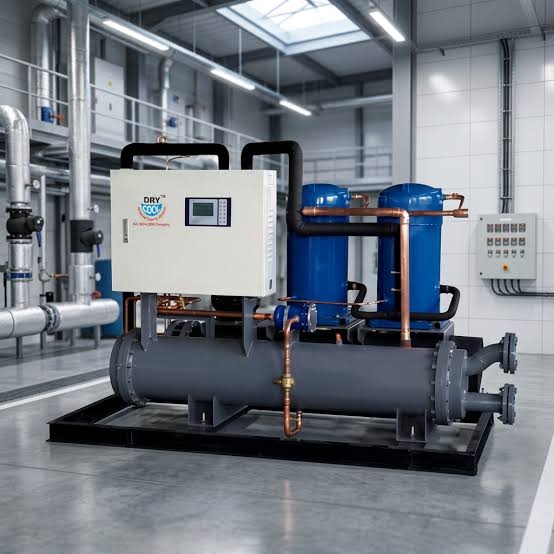
In industrial cooling systems, the largest operating cost is the electrical energy consumed by compressors. Systems operating on traditional "On/Off" logic work at full capacity even when cooling demand is low, leading to significant energy waste. Today, modern HVAC and process cooling infrastructures provide capacity control through a much smarter method: frequency inverters (drives).
Read more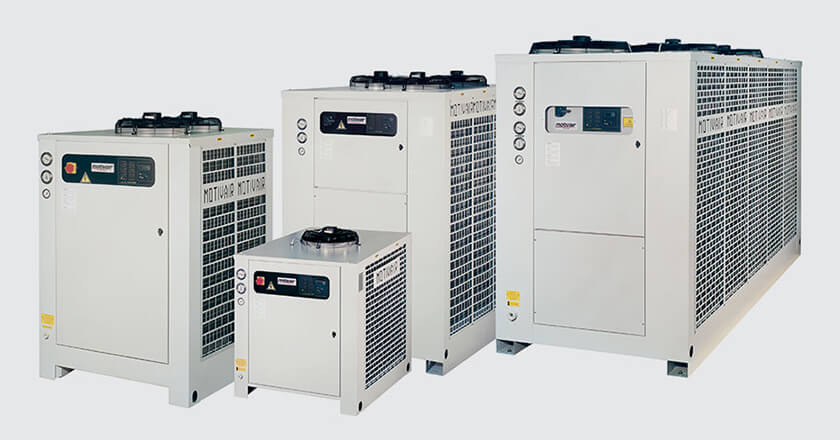
An investment in an industrial chiller directly dictates your facility's long-term energy costs and production efficiency. In this guide, we have compiled critical engineering criteria you must consider when selecting the optimal chiller system for your needs, including capacity calculation, compressor technology, and energy efficiency (COP).
Read more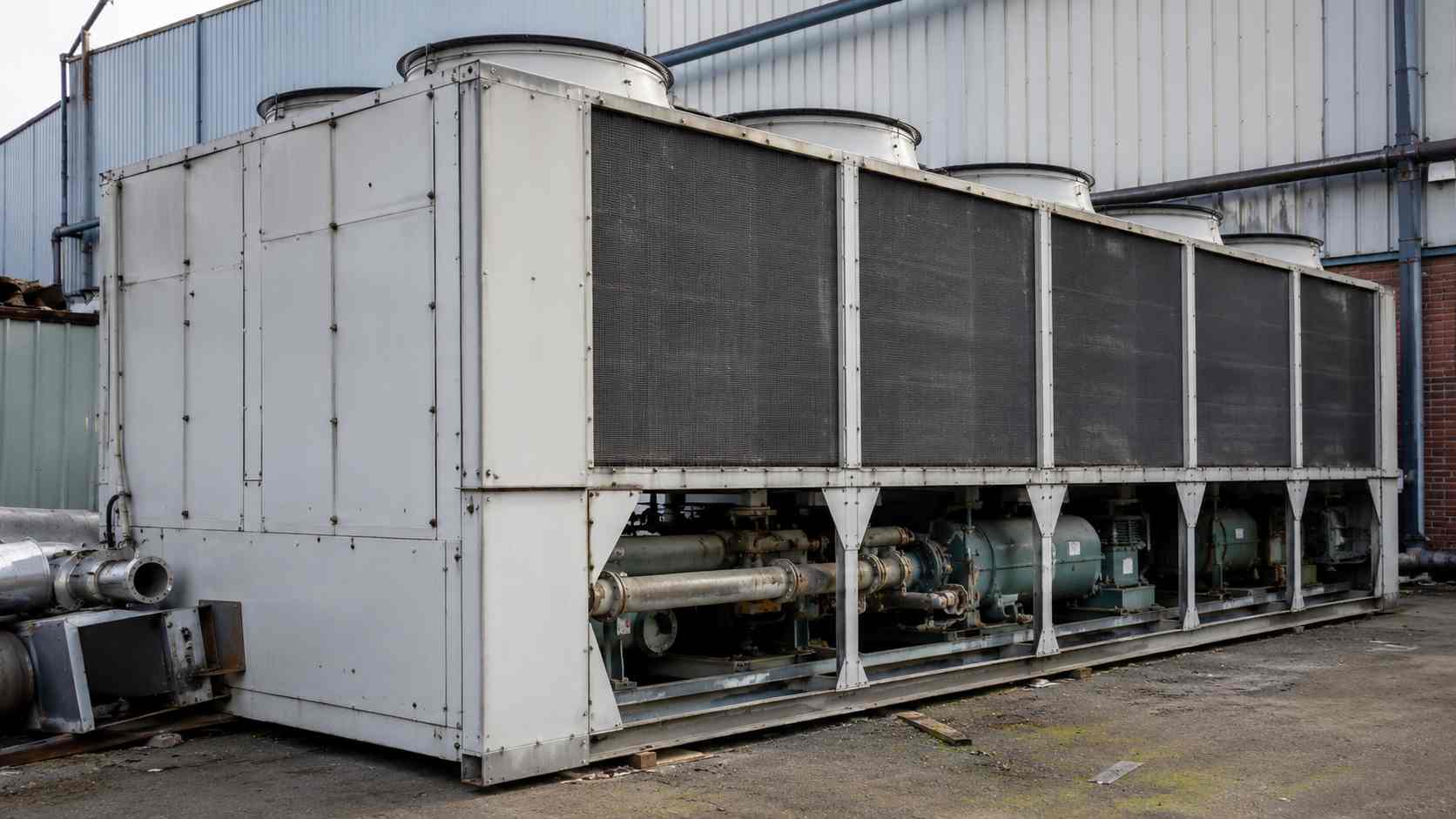
If your chiller system, the heart of your industrial facility, is constantly breaking down or inflating your electricity bills, it might be time for a renewal. We examine 5 critical signs indicating when you should replace or modernize your old cooling system.
Read more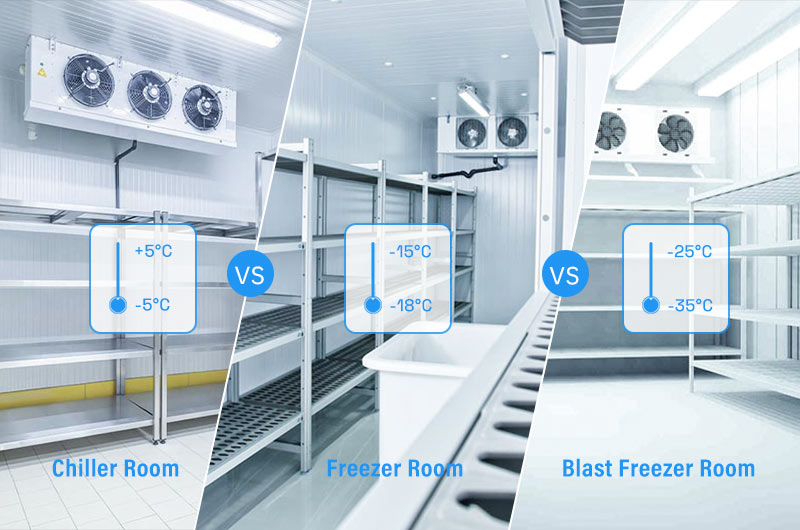
A breach in the cold chain within the food industry leads to both severe product losses and legal sanctions. We explore how optimizing the cold room and industrial chiller systems in your facility can maximize food safety and product quality while lowering energy bills.
Read more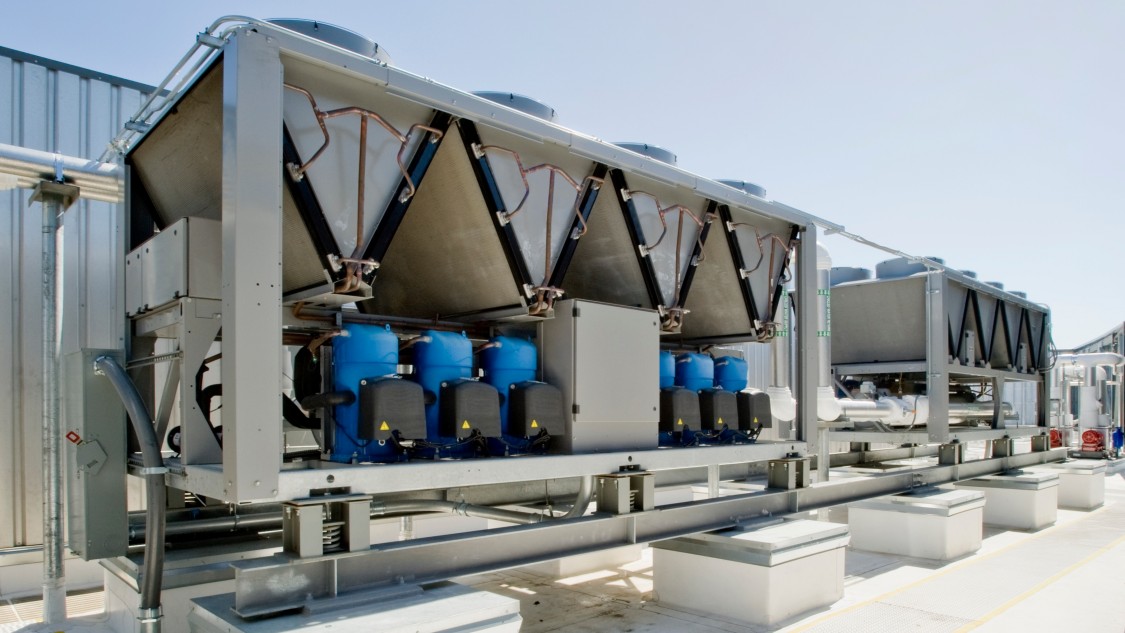
In plastic injection facilities, the most critical factor determining profitability is "cycle time". We examine the importance of choosing the right chiller for mold cooling and hydraulic oil cooling processes—which directly affect production speed—and the value it adds to your business.
Read more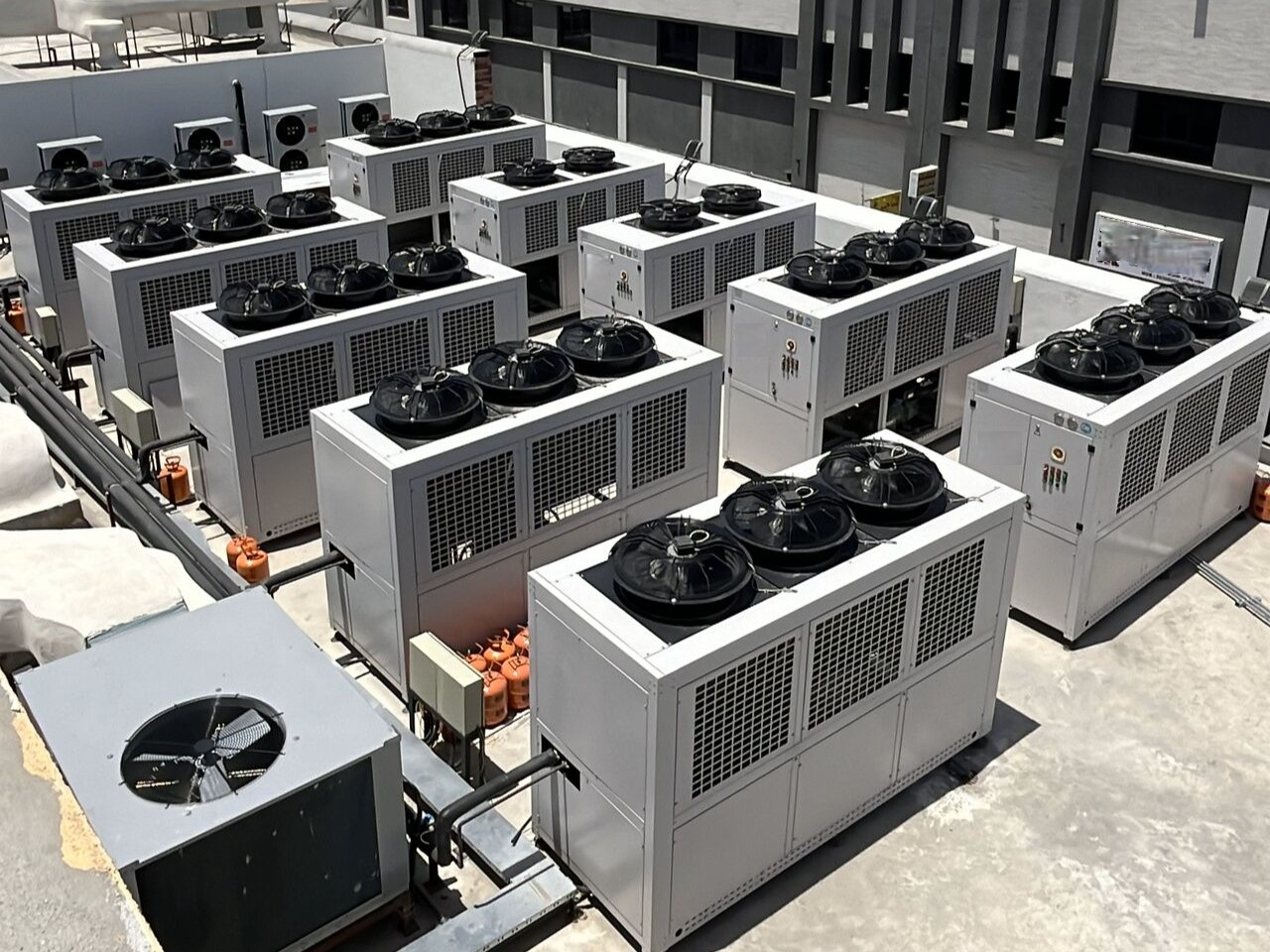
Unplanned downtime of industrial cooling systems leads to production losses and high costs for businesses. We examine the priority response advantages, risk management, and positive budget impacts of Service Level Agreements (SLA) and preventive maintenance.
Read more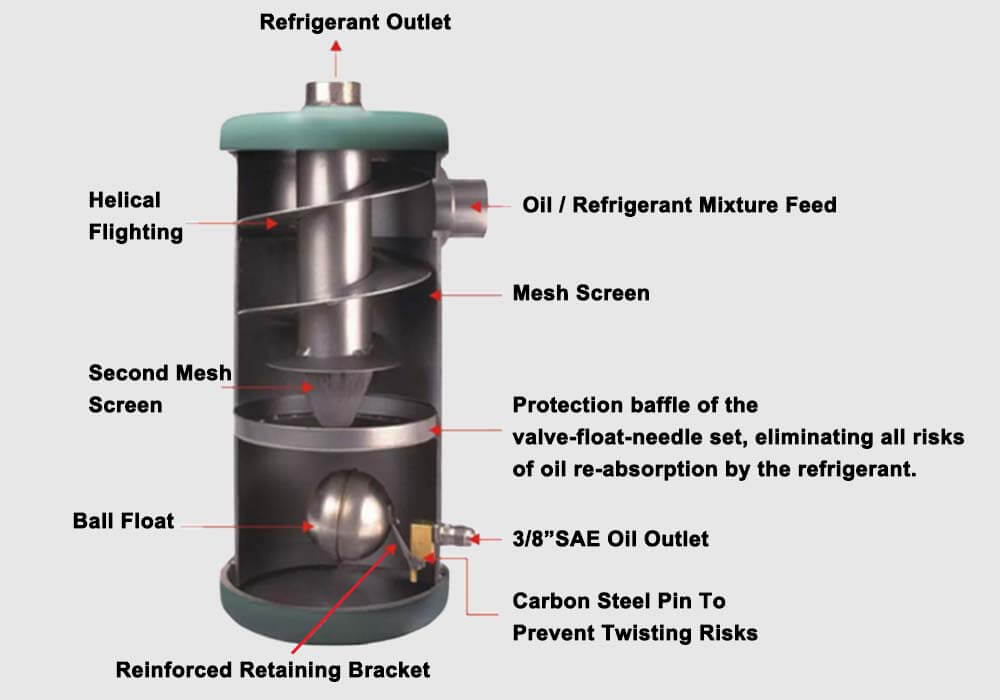
One of the most common and hidden causes of compressor failures in industrial refrigeration systems is oil return problems. We examine how you can prevent mechanical damage caused by oil failing to return to the compressor through engineering solutions such as proper piping, oil traps (p-traps), and oil separator usage.
Read more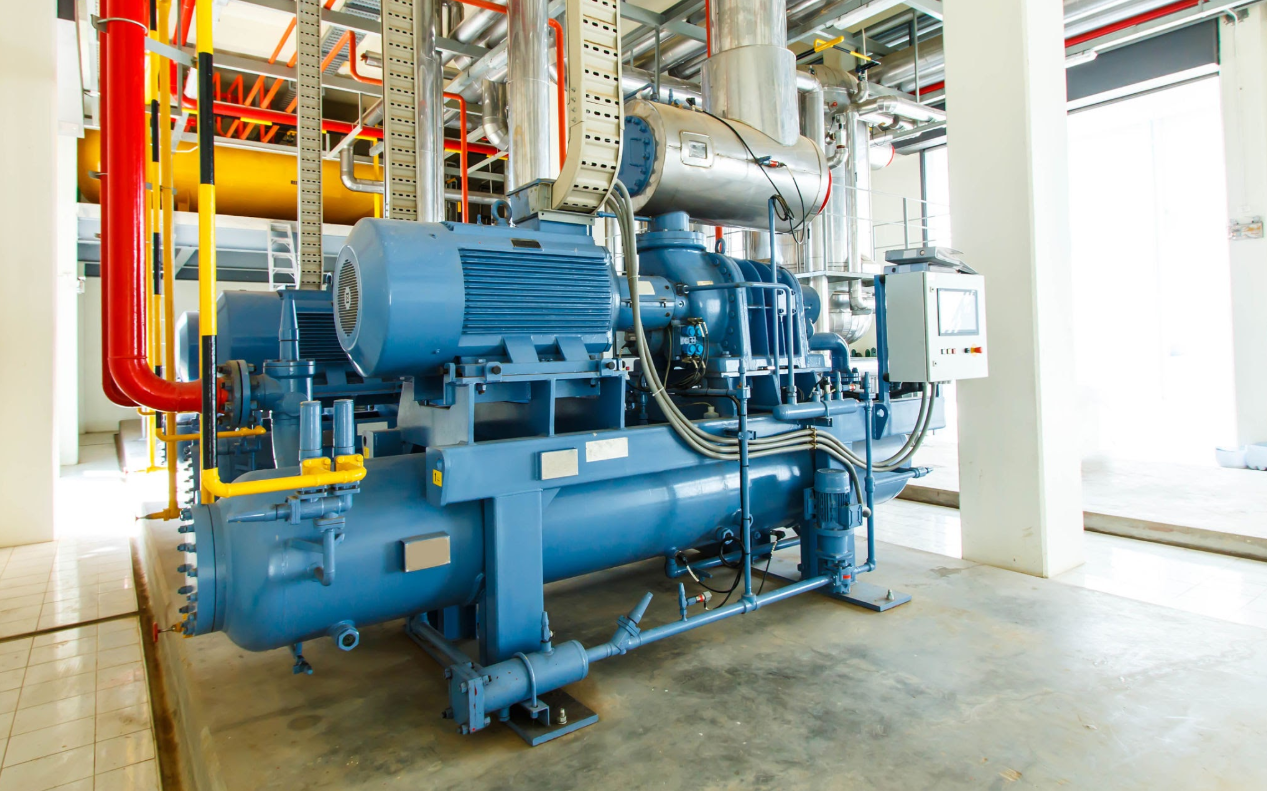
In industrial refrigeration systems, the largest component of operating costs is the electrical energy consumed by compressors. When your facility's cooling demand increases or the efficiency of the existing system drops, the first solution that comes to mind is usually investing in a new and larger chiller unit. However, with engineering solutions based on thermodynamic principles, it is possible to achieve a significant capacity increase in your existing system. Leading among these solutions is the use of an economizer (subcooler). Particularly in chiller systems utilizing screw compressors, the economizer circuit is a critical component that increases cooling capacity and elevates the system's COP (Coefficient of Performance) without additional power consumption.
Read moreMost breakdowns in chiller systems stem from neglected periodic maintenance. A proper maintenance plan significantly reduces energy consumption and downtime.
Read more
Proper capacity selection determines both initial investment and operating costs. We explain how to estimate capacity based on facility area, process load, and temperature difference.
Read more
Chillers are one of the largest electricity consumers in industrial facilities. Significant savings are possible even with zero-investment adjustments.
Read more