


5 Signs You Need to Replace Your Old Chiller System
If your chiller system, the heart of your industrial facility, is constantly breaking down or inflating your electricity bills, it might be time for a renewal. We examine 5 critical signs indicating when you should replace or modernize your old cooling system.
This article was automatically translated from the Turkish original.
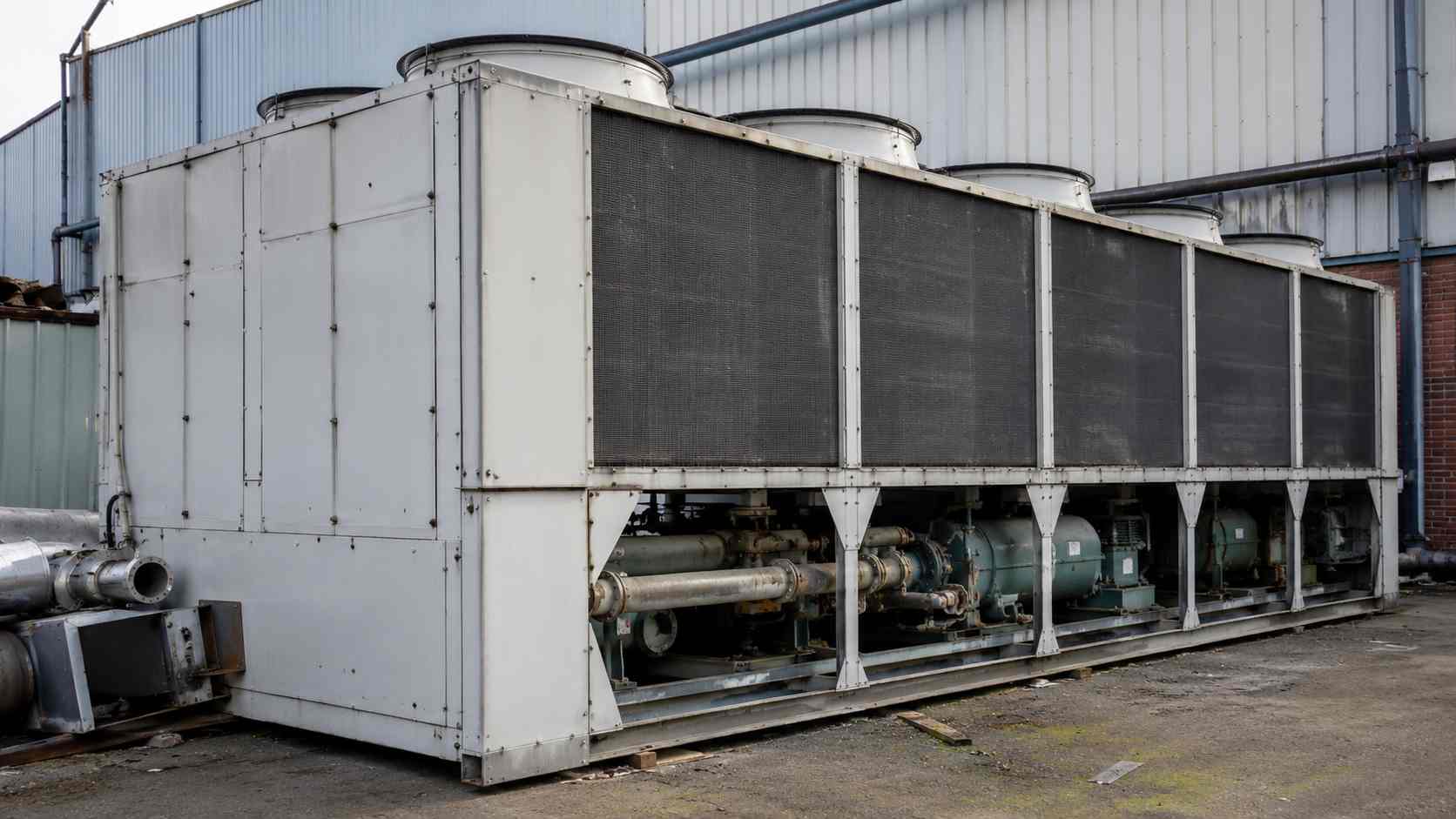
5 Signs You Need to Replace Your Old Chiller System
Industrial chillers and cooling packages are long-lasting systems designed to withstand heavy-duty operating conditions. A well-maintained chiller unit can serve for 15-20 years. However, like any mechanical system, chillers also wear out over time, fall behind technologically, and lose their efficiency.
Businesses often continue to use their old systems with the mindset of "run it until it breaks." However, an inefficiently operating chiller may cost your business far more through inflated electricity bills and unplanned production downtime than the cost of a new unit.
So, how do you know when it's time to say goodbye to your current cooling system or undergo a comprehensive engineering overhaul? Here are 5 critical signs to watch for:
1. Constantly Increasing Maintenance and Repair Costs
If your chiller system has started requiring frequent "emergency calls" beyond routine periodic maintenance over the past 1-2 years, this is the biggest red flag. Compounding expenses like persistent refrigerant leaks, blown contactors, failing sensors, and compressor overhauls create a "financial black hole." If the annual repair cost of your equipment reaches a significant percentage of a new system's capital investment, replacing the unit is the right decision from both a thermodynamic and financial standpoint.
2. Inflated Electricity Bills (Low Energy Efficiency)
Older generation chillers lack today's inverter (variable frequency drive) technologies, smart PLC automation, and high-efficiency heat exchanger designs. Older compressors draw massive amounts of electricity by running at full load even when cooling demand is low. A state-of-the-art new chiller system consumes on average 25% to 40% less energy compared to older models. Upgrading your equipment is an investment that pays for itself through the energy savings it provides.
3. Frequent Capacity Shortages
Your business has expanded, new machinery was added to your production line, or your mold count increased. Yet your chiller system remains the same... When the ambient temperature rises on the hottest summer days and your system overheats (trips on high pressure) or cannot lower your process water to the desired temperature, it means the system has reached its capacity limits. If you have to slow down your production speed to match the cooling rate of the machine, a capacity increase is essential.
4. Difficulty Finding Spare Parts and Banned Refrigerants
Environmental regulations in the HVAC/refrigeration sector (F-Gas regulations) are changing rapidly. If your equipment uses older-generation refrigerants that are banned from use like R22, or subject to shrinking quotas and astronomical prices like R404A, you will face severe costs and supply chain issues in the event of a leak. Furthermore, sourcing electronic boards or original mechanical components for aging equipment creates significant downtime for your facility.
5. Excessive Noise and Vibrational Operation
Abnormal metallic noises, severe vibration, and humming coming from compressors or fans are the most distinct physical evidence of mechanical fatigue in the system. Vibration damages not only the equipment itself but also the connected water piping and welded joints, laying the groundwork for major water and refrigerant leaks.
Leave the "Overhaul or New Investment?" Decision to Us
Replacing a chiller system does not always mean buying brand-new equipment. Sometimes adding an economizer to your current system, modernizing its automation, or conducting a compressor overhaul (retrofit) can be a far more cost-effective solution for your business.
If you suspect issues with the performance of your current system, you can rely on the expertise of FSI Cooling Engineering. Based on on-site capacity analyses, energy efficiency measurements, and thermodynamic evaluations, we present you with a transparent engineering report showing whether replacing or modernizing your equipment will be more profitable.
Contact us today to safeguard your cooling system and avoid putting your production at risk.
Engineering support for your system
Contact our team for chiller selection, a maintenance plan or breakdown response.