

Chiller Periodic Maintenance Schedule and Checklist
Weekly, monthly, quarterly, and annual maintenance steps; which values should be measured and the impact of maintenance on energy consumption.
This article was automatically translated from the Turkish original.
What determines the maintenance period?
There is no standard schedule: operating hours, ambient pollution, water quality, and process criticality determine the period. A process chiller running continuously and a comfort chiller operating seasonally are not scheduled the same way. Still, the following framework is a safe starting point for most industrial facilities.
Weekly checks (operator)
- Water inlet-outlet temperatures and deviation from setpoint
- Alarm history and noting reset alarms
- Check for abnormal sound, vibration, and signs of leaks
- Expansion tank pressure and loop water level
Monthly checks
- Fouling assessment on the condenser coil or cooling tower water side
- Strainer and filter cleaning
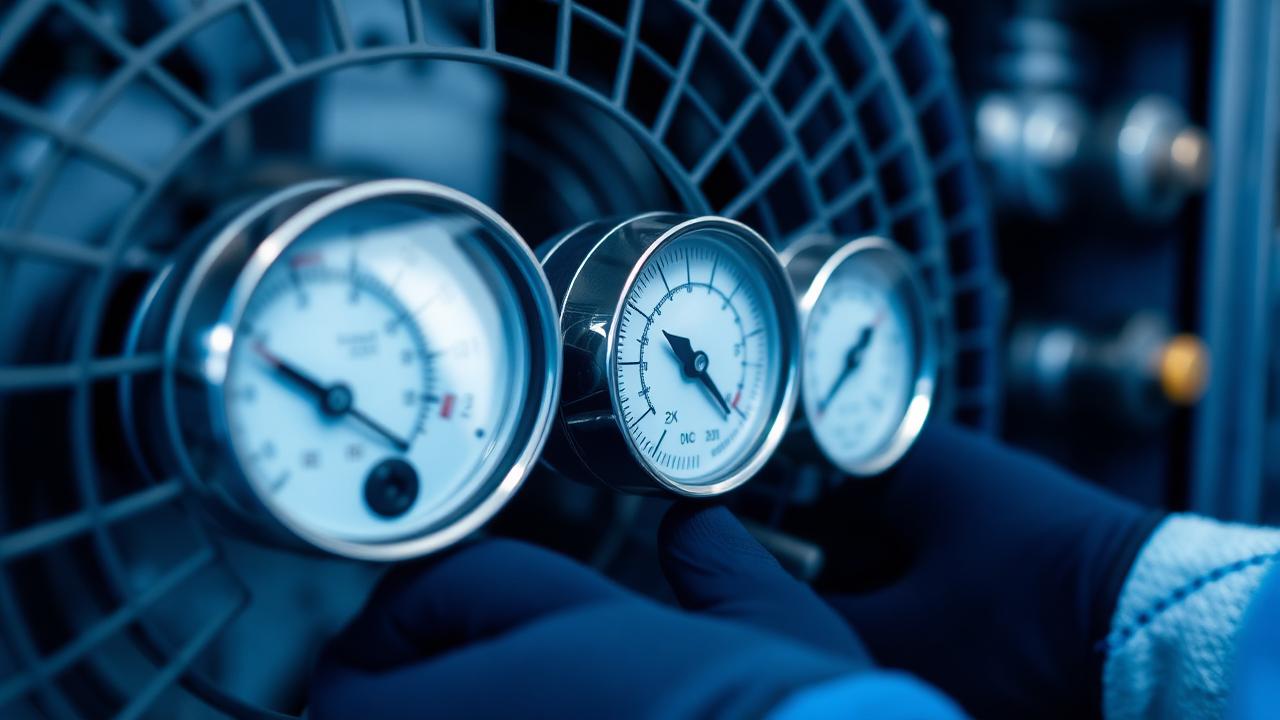
- Suction/discharge pressures, superheat, and subcooling measurements
- Recording fan and pump currents
Quarterly checks
- Electrical panel connection torques and thermal inspection
- Three-phase current balance and voltage measurement
- Oil level and oil condition assessment
- Calibration verification of temperature and pressure sensors
- Water analysis: conductivity, pH, hardness; freezing point in glycol mixture
Annual checks
- Mechanical/chemical cleaning of condenser and evaporator
- Leak testing and refrigerant log tracking
- Testing safety devices, pressure switches, and freeze protection
- Reviewing capacity control algorithm and part-load behavior
- Performance comparison: comparing electricity consumed at the same load with the previous year
You cannot improve what you do not measure
The value of maintenance lies not in the list of tasks performed, but in the values recorded. If condensing and evaporating approach temperatures are monitored, fouling can be detected months in advance. A dirty condenser raises the condensing pressure, significantly increasing compressor power consumption; cleaning is one of the maintenance items with the fastest return on investment.
How should maintenance records be kept?
A single-page form filled out during each visit is sufficient: date, operating hours, water inlet/outlet temperatures, suction/discharge pressures, superheat, subcooling, compressor currents, operations performed, and recommendations. This record is the most valuable data both for warranty processes and troubleshooting.
Planned maintenance contract
FSI Cooling determines the maintenance period based on facility type and operating hours, delivers each visit with a measurement report, and provides priority intervention in case of a breakdown. You can fill out the quote request form to establish the appropriate maintenance program for your existing system.
Engineering support for your system
Contact our team for chiller selection, a maintenance plan or breakdown response.